
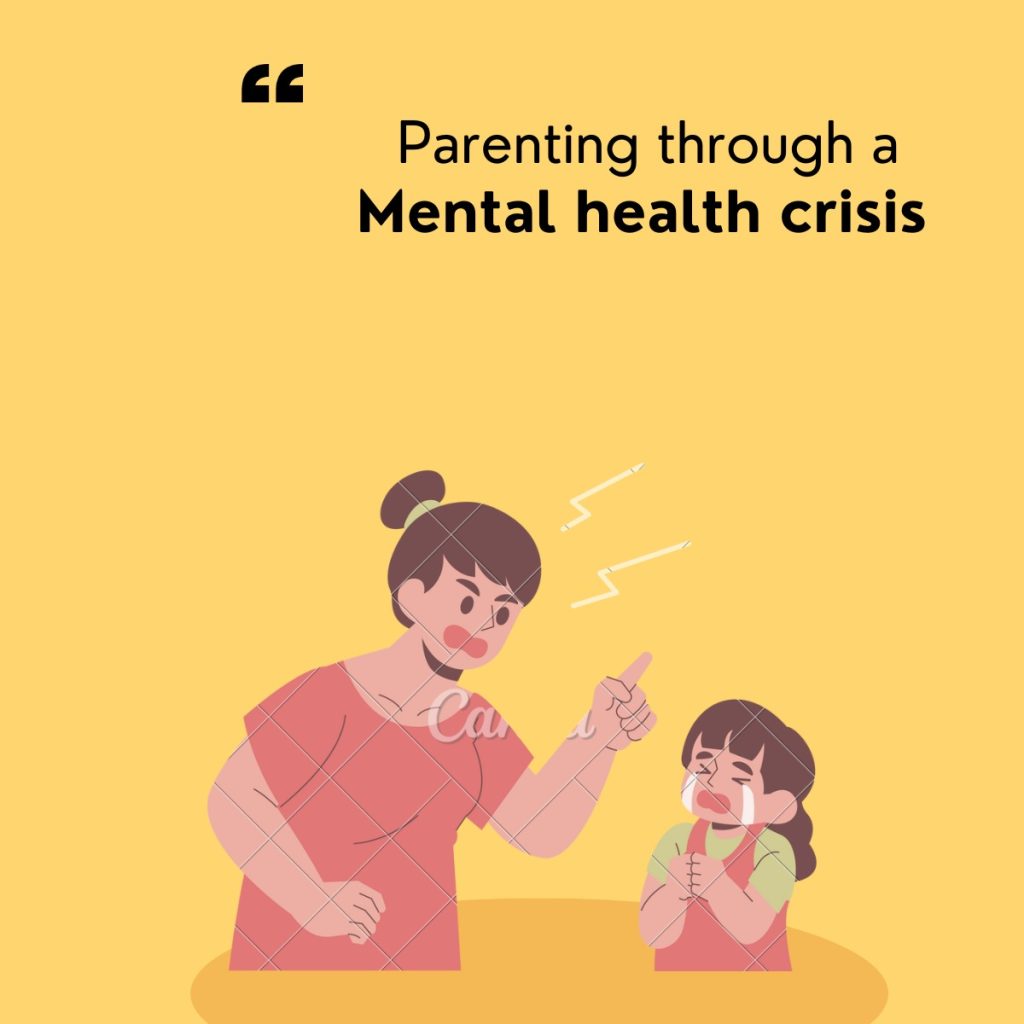
For parents going through a personal mental health crisis—whether it’s depression, anxiety, trauma, or burnout—the pressure to keep parenting “normally” can be overwhelming. The guilt of not being emotionally available or missing milestones can deepen the distress, creating a feedback loop of shame and silence.
It’s important to acknowledge that showing up imperfectly is still showing up. Children don’t need a flawless parent—they need a consistent, honest, and loving one. Saying, “I’m not feeling my best today, but I’m trying,” models both vulnerability and resilience.
Getting help is not a sign of failure—it’s a courageous, loving act for both yourself and your child. This might look like therapy, medication, support from friends or extended family, or even taking a short leave from work. Prioritizing recovery can actually strengthen the parent-child bond over time, as your child witnesses what it looks like to care for oneself.
Mental health crises are not parenting disqualifiers. They are human experiences. What matters is the journey of recovery, and the grace you give yourself along the way. Your child will remember your love far more than your lowest days.
Kanishka