
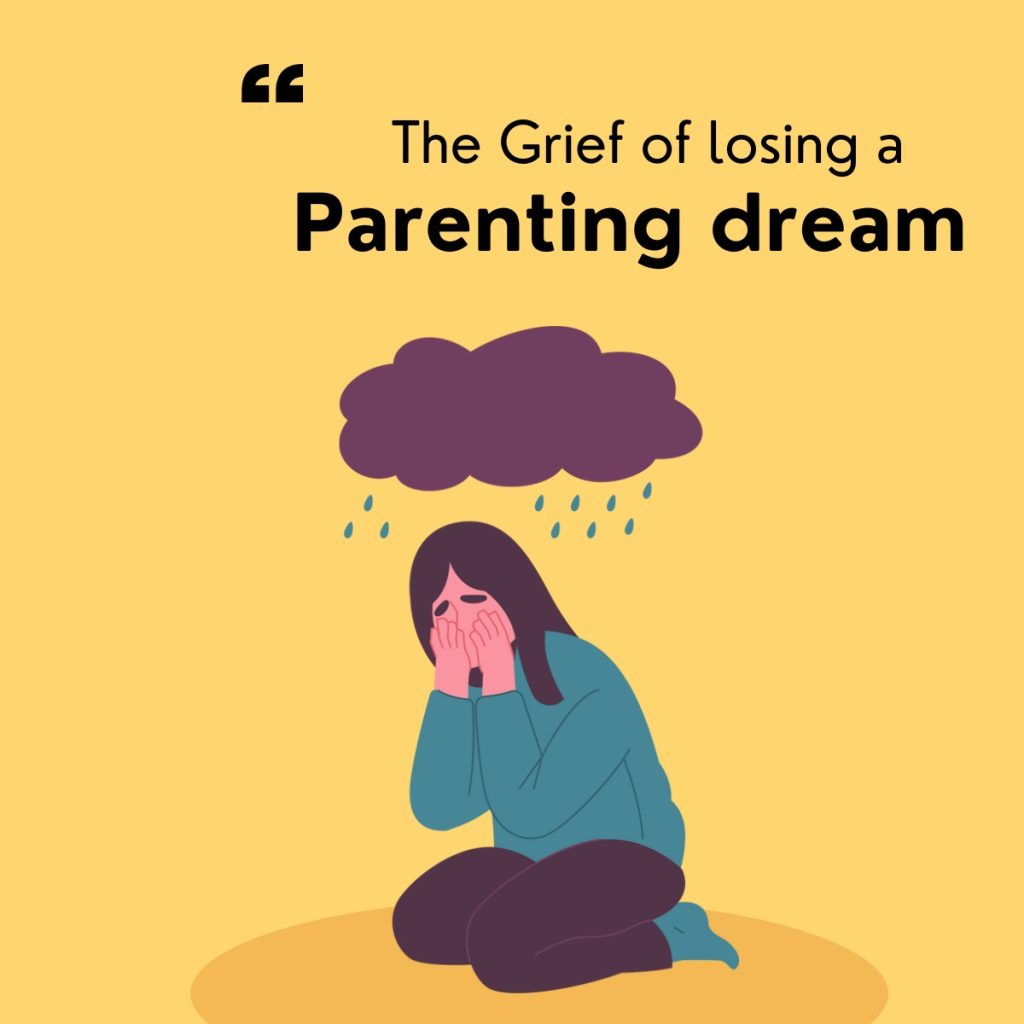
Sometimes, parenting doesn’t go the way we envisioned. A child may be born with unexpected health issues, or a behavioral challenge may arise. Maybe a parent imagined shared hobbies or a certain life trajectory for their child—and reality looks completely different. These moments can trigger a form of grief known as “disenfranchised grief”—a sorrow not socially recognized or validated.
Parents may feel guilty for even having these thoughts. “I should just be grateful,” they tell themselves. But it’s entirely human to mourn the loss of a dream—even while loving the child in front of you with all your heart. Suppressing that grief only compounds mental distress and increases emotional isolation.
Processing this kind of grief doesn’t mean giving up. It means allowing space for disappointment while staying open to the joys of what is. A different path doesn’t mean a lesser one—it simply asks for a reimagining of joy, success, and connection.
Support groups and therapeutic communities centered around these unique challenges can provide the empathy and validation many parents are seeking. You’re allowed to grieve and celebrate your child at the same time. Both feelings can coexist—and often do.
Kanishka