
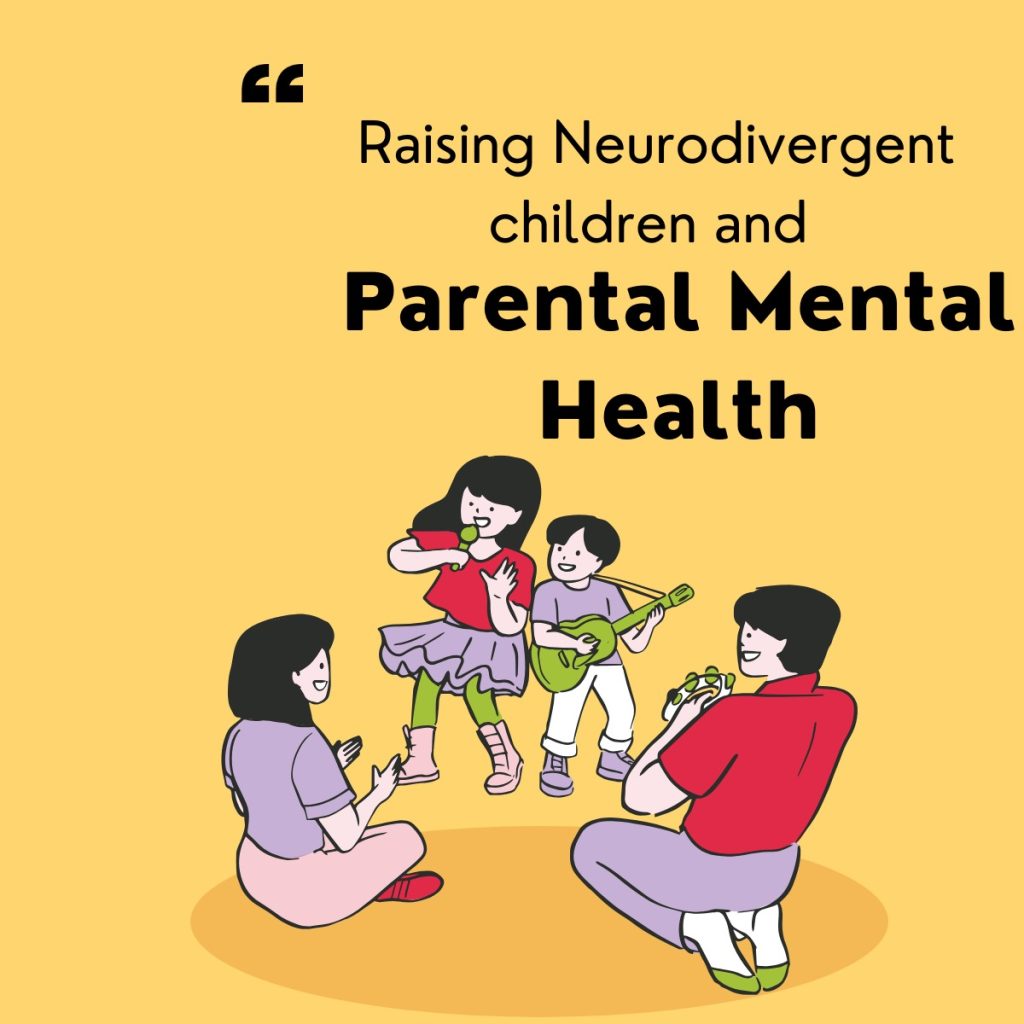
Parenting a neurodivergent child—whether autistic, ADHD, or with sensory processing differences—requires a heightened level of emotional attunement, advocacy, and resilience. It can be rewarding, but also emotionally taxing, especially when faced with misunderstandings from schools, family, or society. The additional caregiving responsibilities can wear down a parent’s mental reserves.
Parents often feel isolated or judged, particularly when their child’s behavior doesn’t conform to social expectations. They may be blamed for “poor discipline” or feel the sting of unsolicited advice. This lack of support can lead to chronic stress, anxiety, and even depression—compounded by the grief of unmet expectations or the fear of an uncertain future.
One of the biggest challenges is the constant fight for resources—diagnoses, therapy sessions, accommodations, inclusive education. Advocacy becomes a full-time job. But without self-care, the advocate may suffer. It’s vital for parents of neurodivergent children to find community—whether through support groups, online spaces, or professionals who understand their journey.
Self-compassion is key. Progress may look different, and milestones may come slower, but every small victory matters. And while you’re working tirelessly to support your child’s mental and emotional development, don’t forget your own. Your well-being fuels your advocacy—and your child benefits most when you’re emotionally replenished.
Kanishka