
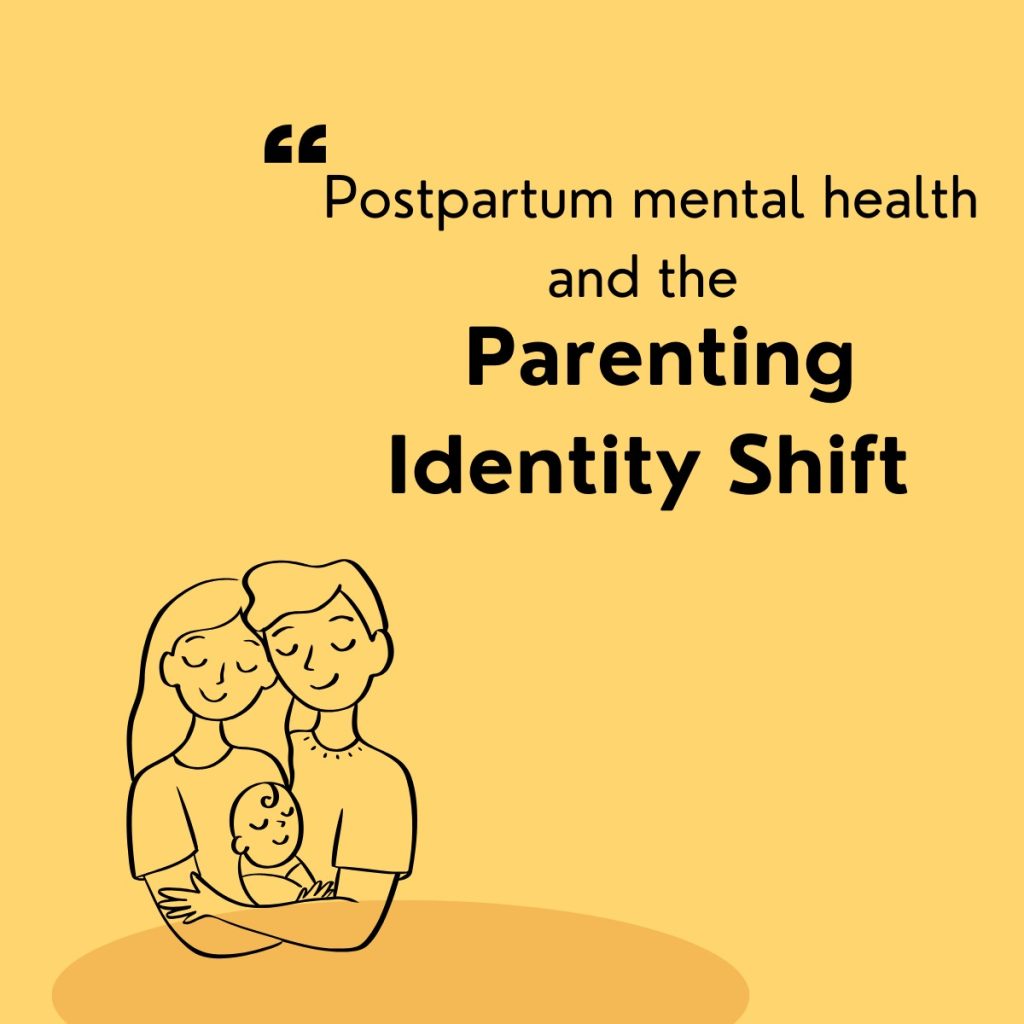
The moment a child is born, so is a parent. This dual birth can be beautiful, but it also brings an intense identity shift, especially for new mothers. Postpartum mental health challenges, including postpartum depression and anxiety, affect millions of women globally—yet the stigma still silences many.
The transition into motherhood (or fatherhood) can feel disorienting. The loss of personal freedom, changing relationships, and constant demands of a newborn can leave parents feeling isolated. For mothers, hormonal changes can further amplify emotional fluctuations. It’s not uncommon to grieve the old self while also cherishing the new role, and this emotional complexity deserves compassion, not shame.
Partners and families play a critical role during this time. Providing emotional validation, helping with chores, and encouraging the new parent to seek therapy if needed can make a huge difference. Societal pressure to “bounce back” or be endlessly grateful can worsen mental health struggles by invalidating real emotions.
Postpartum care needs to go beyond just physical recovery. Mental health check-ins, community doulas, and parent-friendly therapy options should be part of the postnatal support system. Parenthood may be permanent, but mental distress doesn’t have to be.
Kanishka